Written By: Jasmine Oliver, Owner & Lead Photographer of J Lauryn Photography
Your wedding day is one of the most memorable moments of your life—a celebration of love, joy, and new beginnings. But with rising inflation, fierce competition for prime venues, and a growing emphasis on custom experiences, couples are often shocked by just how quickly costs add up. Venues, florals, photography, attire… suddenly, you’re wondering, Why is my dream wedding so expensive?
First, it’s important to know you’re not alone in feeling this way. Weddings are significant investments because they require careful planning, professional expertise, and countless details to create the once-in-a-lifetime experience you deserve. By understanding where costs come from—and why they’re often worth it—you can navigate your wedding budget with confidence.
In this post, we’ll break down why weddings cost what they do, explore pricing in cities like Chicago and New York, and share tips for maximizing your budget—especially if you’re dreaming of a destination celebration.
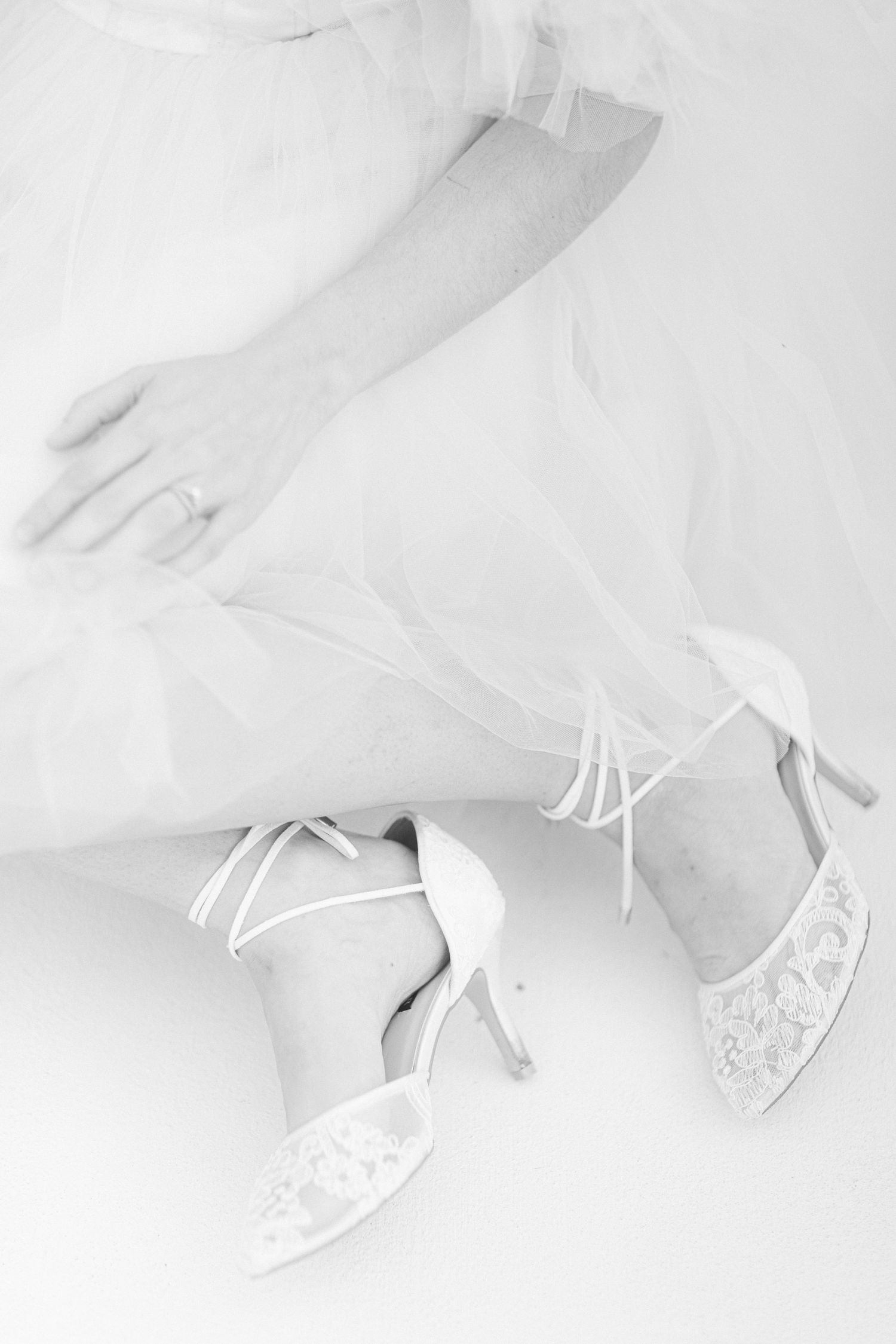


The Average Wedding Cost:
Wedding costs vary considerably by location. Here’s what you can expect (Figures below are projections for 2024–2025 based on surveys by The Knot and WeddingWire ):
Chicago Weddings
The average cost of a wedding in Chicago is around $58,000, with luxury weddings often exceeding $100,000. The average cost of a wedding in Illinois came in at $39,000, which is about 44% below the average Chicago wedding.
New York City Weddings
NYC remains one of the most expensive markets, where the average wedding costs about $63,000, and luxury events frequently surpass $150,000.
Destination Weddings
These can range from $20,000 to $75,000, depending on the location and guest count. Some couples choose destinations to streamline their guest list (thus lowering overall costs), while others invest heavily in travel, accommodations, and unique experiences for their guests.
For reference, the national average for weddings is roughly $37,000, making Chicago, NYC, and popular destination wedding spots more expensive due to demand, logistics, elevated vendor rates, and travel considerations.
The Budget Breakdown
The Venue: Setting the Stage
Your venue is often the most significant expense—and for a good reason—it sets the tone for your entire event.
Urban Premiums: Major cities command higher rental fees due to demand and location prestige. Iconic venues like Chicago’s The Langham or NYC’s The Plaza can charge $15,000–$50,000 just for the space.
Destination Venues: Scenic backdrops (like beaches or vineyards) may come with extra costs for permits, rentals, or on-site coordinators. For instance, a venue in Tuscany might cost $5,000–$20,000 just for the space.
What’s Included: Many venues bundle services like catering, rentals, and staffing, adding convenience but increasing your total bill.
Tip: Consider choosing a venue just outside the city or in a nearby suburb, as pricing tends to be significantly lower in these areas. For destination weddings, seek out venues that offer all-inclusive packages. This can help streamline logistics and save on costs associated with hiring separate vendors.
Skilled Vendors: Expertise That Makes A Huge Difference
Behind every flawless wedding is a team of professionals ensuring your day runs like clockwork.
Photography and Videography
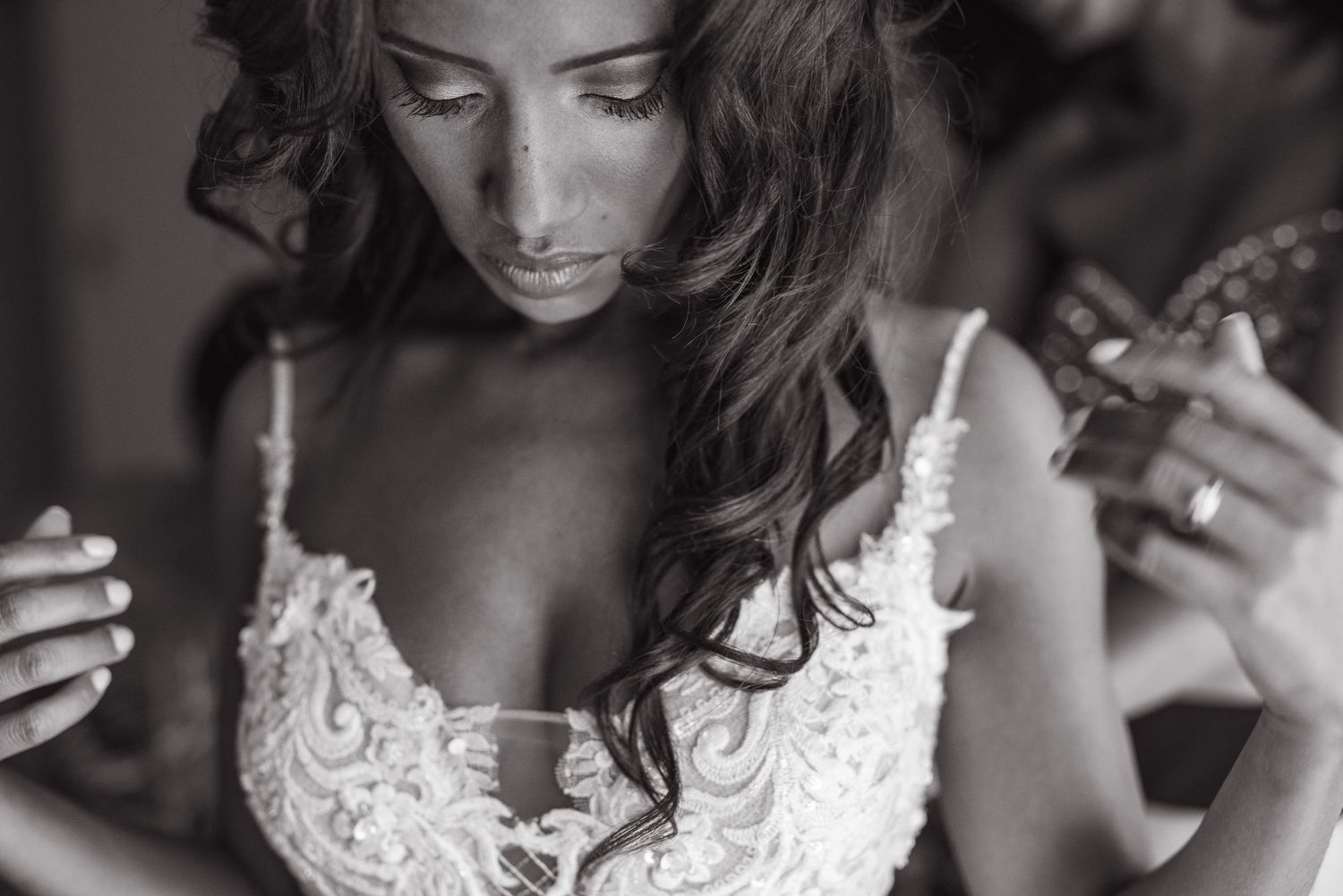
A skilled photographer does more than simply take pictures—they’re preserving memories that will be cherished and passed down for generations. The best professionals not only capture stunning images but also create a calm, enjoyable environment so you feel completely at ease in front of the camera and walk away with lasting, meaningful moments.
Couples typically invest between $5,000 and $15,000 in high-quality, heirloom-worthy photography. While that may seem like a wide range, it’s common for 10–15% of a wedding budget to go toward photography and videography. Curious about the different tiers of wedding photography packages and detailed pricing? Be sure to check out the full breakdown here.
For destination weddings, be aware that you’ll likely need to cover your photographer’s travel expenses, which can range from $1,000 to $5,000, depending on the location and your vendor's team size.
Looking for an experienced wedding photographer who can capture your love story authentically? Contact me for a personalized quote!
Florists
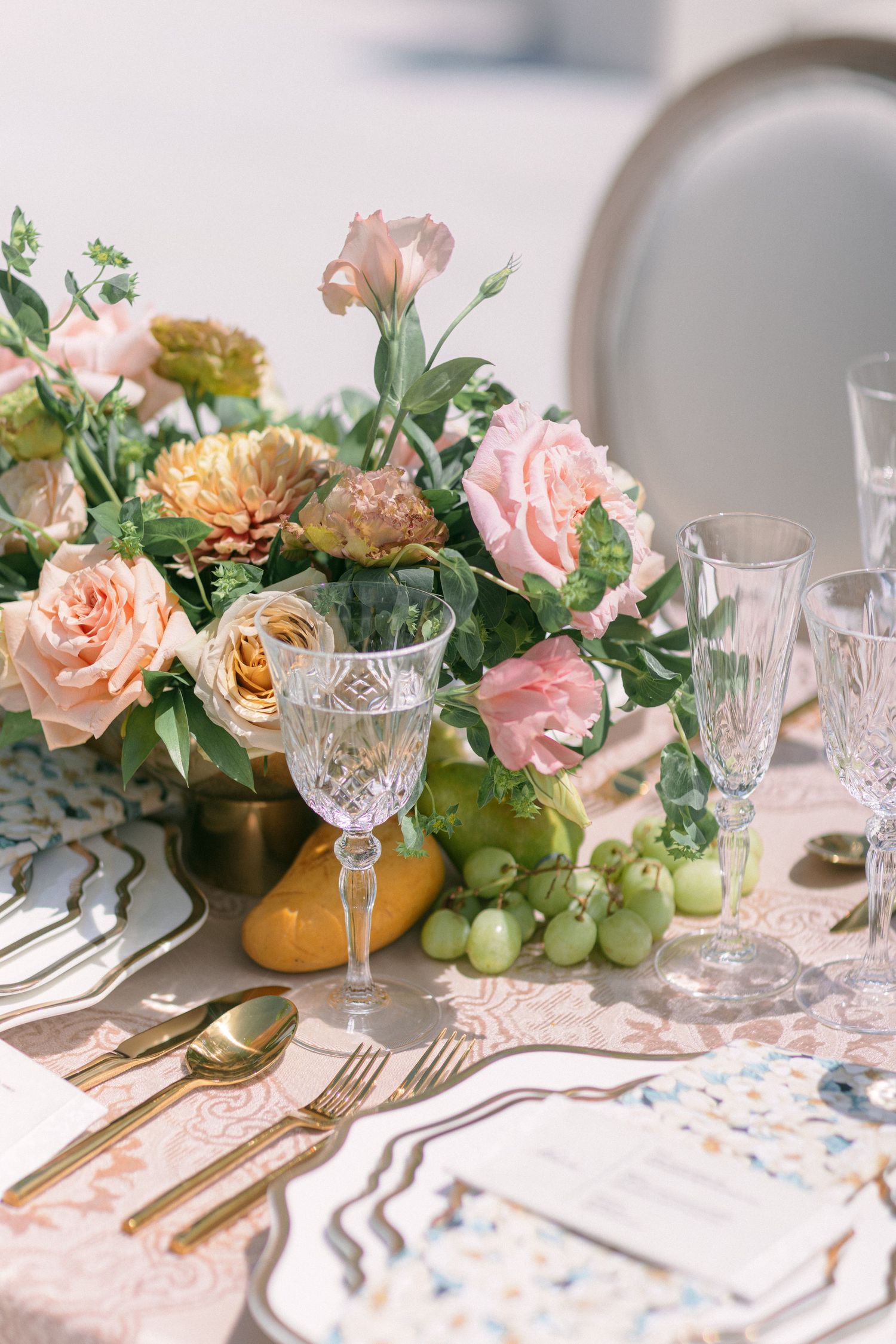
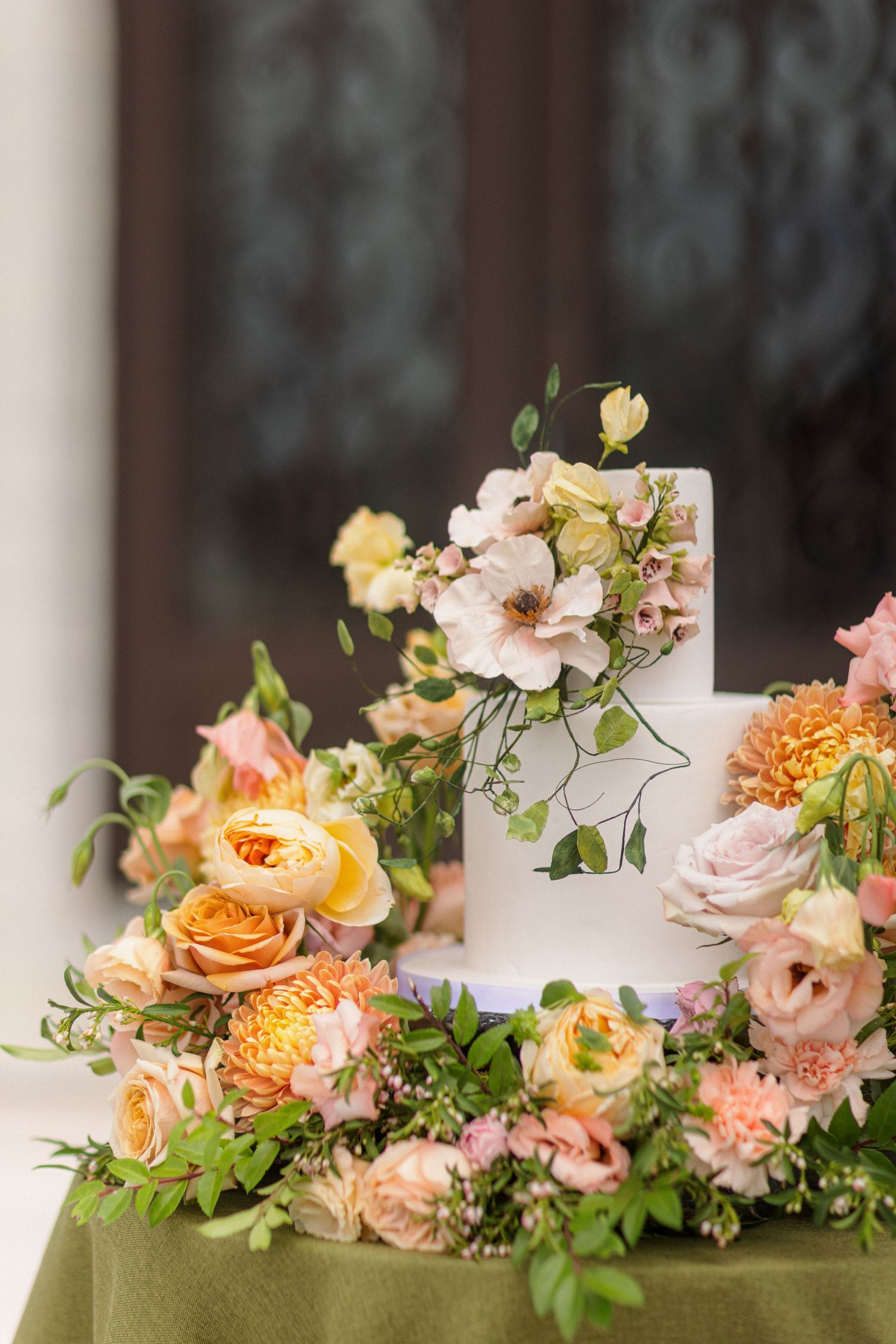
Custom floral designs that reflect your theme and color palette can range from $3,500 to $25,000, depending on seasonality and availability.
According to Flowers for Dreams—an award-winning floral company in Chicago—their couples in the Chicago area spend on average around $4,000 to $5,000 on wedding flowers, but packages can run anywhere from $500 for simple personal florals up to $35,000 for full-service decor. Their philosophy? “Every bride deserves beautiful wedding floral, no matter the size of their budget.”
For those planning a destination wedding, opting for local blooms can help reduce import fees while adding an authentic touch to your celebration. Whether you’re working with a modest or grand floral budget, carefully chosen arrangements have the power to elevate the entire atmosphere of your event.
Planners
Planning a wedding involves countless moving parts—from scheduling tastings to finalizing décor details—and a professional wedding planner can be your greatest ally. By overseeing timelines, coordinating with vendors, and managing unexpected hiccups, a planner allows you to focus on the joy of your engagement rather than juggling logistics. For many couples, the peace of mind that comes with having a dedicated expert is truly invaluable
In Chicago, planners typically charge 10–20% of your total budget, reflecting the scope of their involvement in creating a cohesive event that aligns with your vision. This fee generally covers tasks like venue scouting, contract negotiations, and day-of coordination. And if you’re considering a destination wedding, a planner familiar with the local customs, laws, and cultural nuances can be the key to a smooth and memorable celebration—ensuring you aren’t caught off guard by unexpected regulations or vendor challenges.
Wedding planners offer different levels of service to fit a variety of needs and budgets. Partial planning typically begins a few months before your wedding day, providing targeted support for tasks like refining vendor contracts and creating a cohesive timeline. Month-of coordination is often even more streamlined: your planner steps in shortly before the event to tie up loose ends, manage last-minute details, and oversee the day’s logistics. These more limited arrangements can be a great option for couples who want professional guidance without the higher cost of a full-service package.
On the other end of the spectrum, full-service planning encompasses every aspect of your wedding journey—from venue scouting and design concept to final vendor payments and post-event wrap-up. This level of involvement provides maximum support and peace of mind, especially for larger, more intricate weddings or destination affairs that require local expertise and detailed coordination.
If you’re unsure which planning approach is best for you, stay tuned for our upcoming blog post, “Everything You Need to Know About Hiring A Wedding Planner," where we’ll break down each option in-depth and help you decide which service level is right for your needs—and your budget.

Guest Count: The Hidden Multiplier
Your guest list might feel like a straightforward social choice, but it’s also a key factor in driving up wedding expenses. In particular, per-person costs—like catering (ranging from $85–$350 per guest depending on the provider), beverages, tableware, and even favors—escalate with each additional attendee. Larger events may also require a bigger venue or more elaborate setup, quickly multiplying your overall bill.
When it comes to labor, more attendees means extra servers, bartenders, and potentially extended rental hours—further increasing costs. Plus, you’ll need day-of stationery (programs, menus, place cards) for everyone, not to mention additional seating, linens, and décor.
If you’re seeking a cost-effective celebration, consider trimming your invite list—or even opting for a destination wedding, which naturally helps limit attendance. By focusing on your nearest and dearest, you can free up resources to invest in the elements that truly matter, whether that’s top-tier photography, lush florals, or an unforgettable dining experience.
Every additional guest introduces a ripple effect of costs—from extra meals and rentals to increased staffing and décor. Whether you’re planning a cozy, intimate affair or a grand celebration, it’s crucial to recognize how guest count affects both your budget and the overall atmosphere of your day. If you’re looking to optimize costs without sacrificing quality, starting with a carefully curated guest list can be one of the most impactful ways to keep your wedding both meaningful and budget-friendly.
Customization: Making It Uniquely Yours
Personal touches are what transform a wedding from beautiful to unforgettable—but that level of intention often comes with added costs.
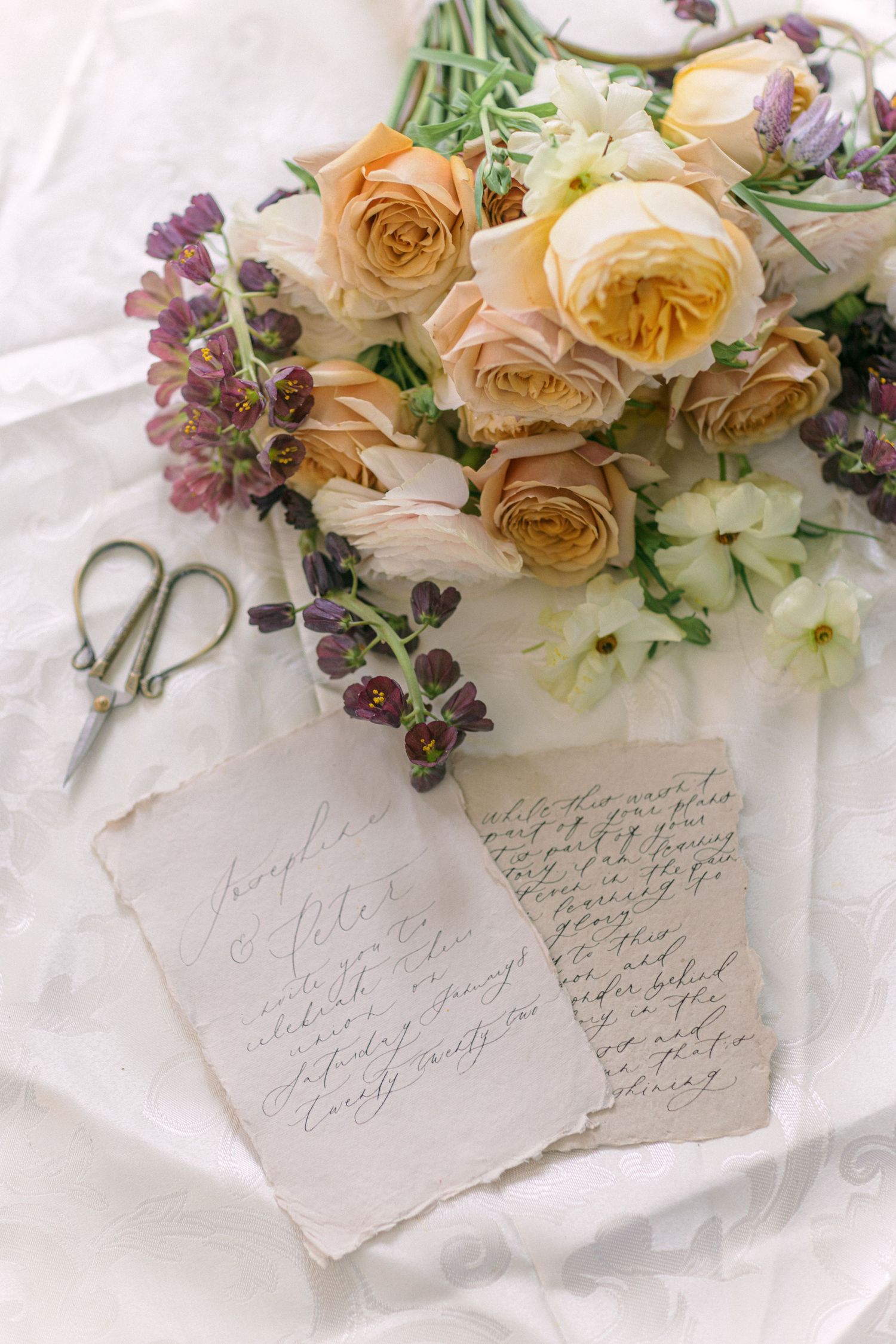
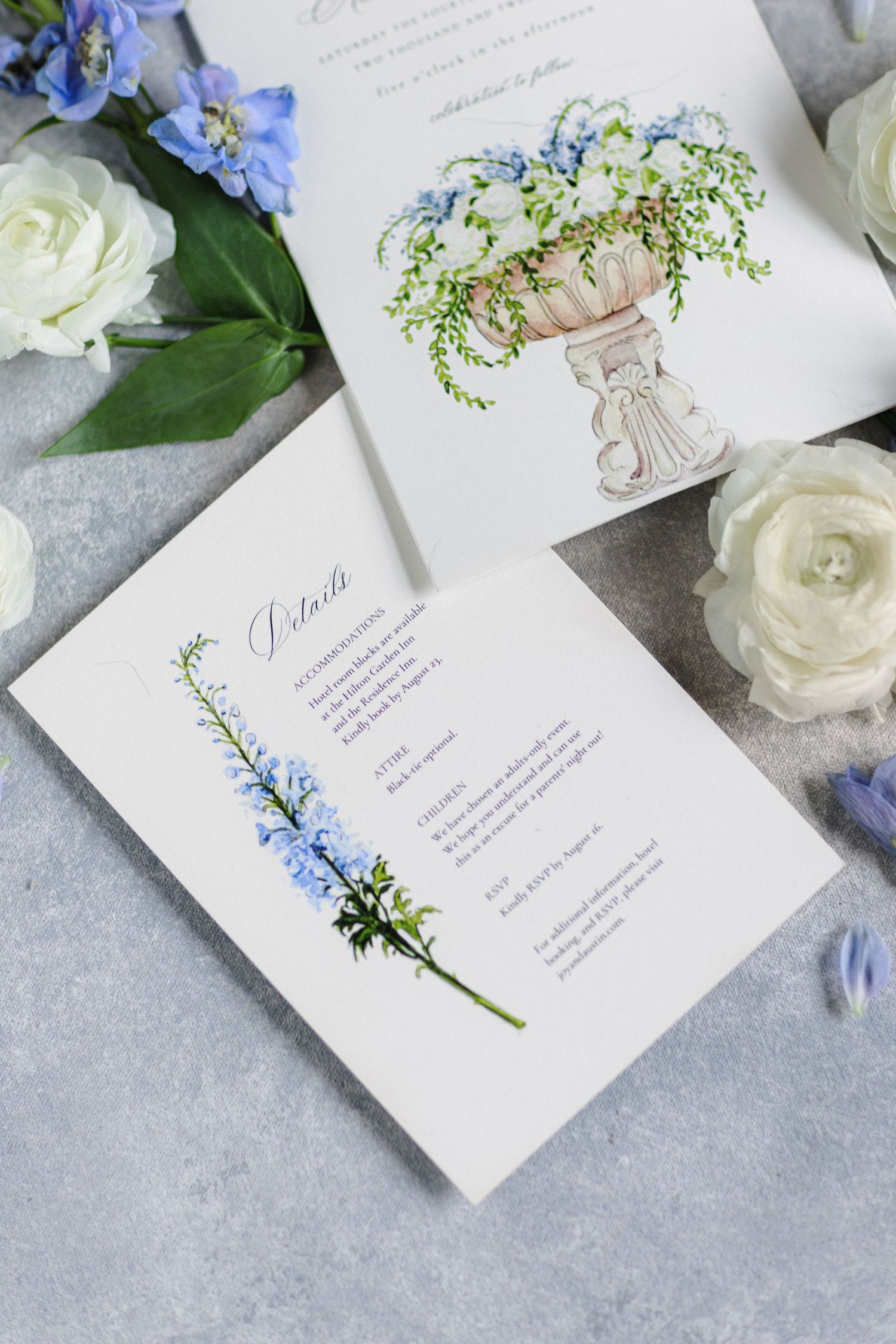
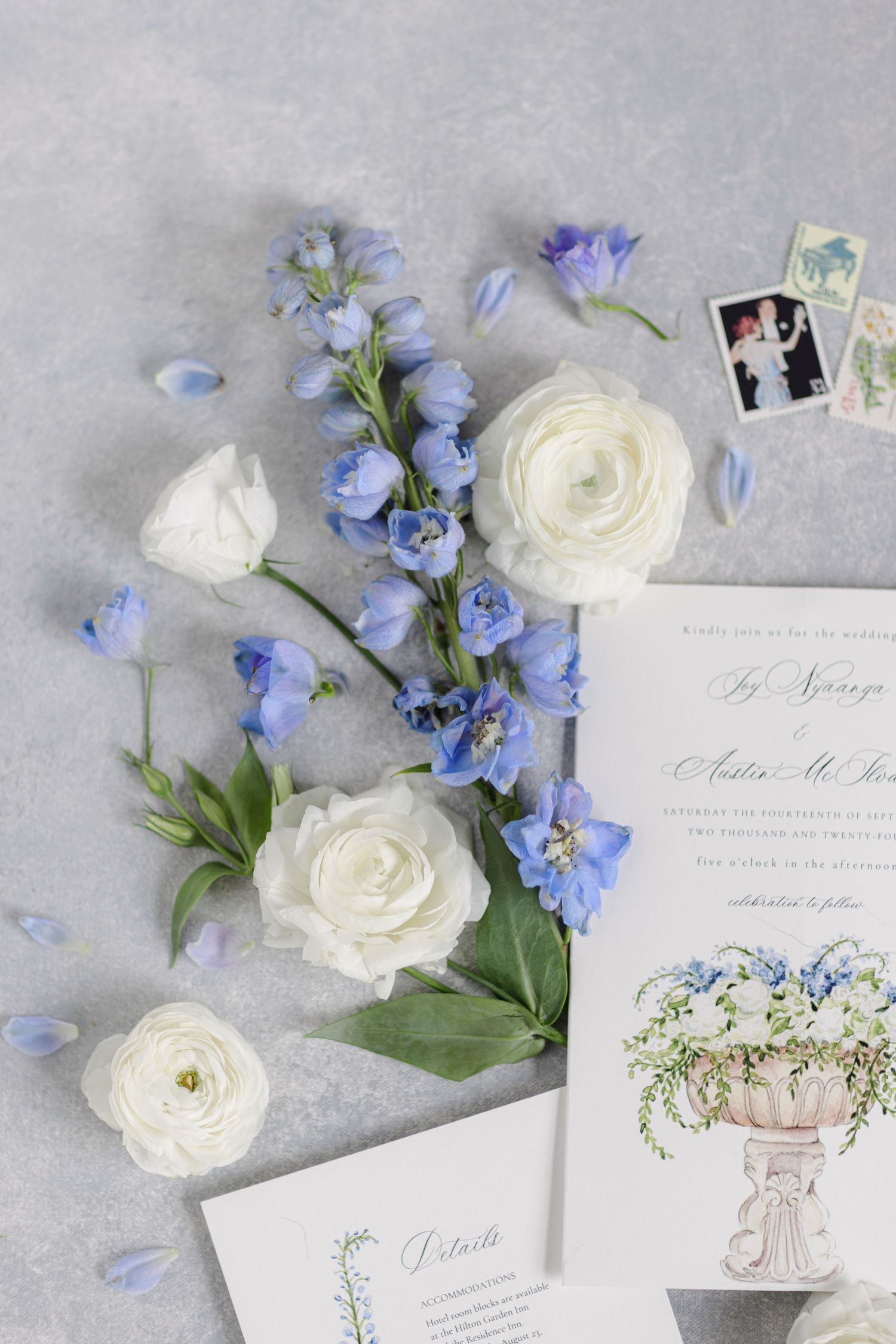
- Custom Invitations: High-end stationery can range from $15 to $50 per set. For destination weddings, digital save-the-dates or invitations can be a savvy alternative—saving on postage and offering a modern, eco-conscious touch.
- Décor: From monogrammed dance floors to velvet linens and bespoke lounge setups, personalized décor elements can quickly climb to $5,000–$20,000 depending on your vision and scale.
When customizing, be strategic. Choose one or two high-impact moments—a signature floral installation, a custom ceremony arch, or an immersive reception entrance—that will leave your guests in awe while keeping your budget in check.
Cultural and Themed Weddings
Multicultural and themed weddings offer an extraordinary opportunity to celebrate your heritage, beliefs, and personality. But with that beauty often comes complexity—and additional expenses.
- South Asian Weddings, for example, may include multi-day events, multiple outfit changes, live musicians, and intricate ceremonial elements—easily driving costs upward of $75,000.
- Themed Weddings—whether it's a tropical beach celebration, an Art Deco-inspired soirée, or a traditional Nigerian ceremony—may require unique rentals, specialty attire, or culturally specific vendors who understand the nuances of your celebration.
Working with experienced planners and culturally competent vendors ensures your vision is brought to life with both elegance and respect. These celebrations are deeply meaningful and worth the extra attention to detail.
Hidden Costs You Might Overlook
Even the most organized couples can be surprised by wedding expenses that sneak up unexpectedly. Here are a few to watch for:
- Vendor Travel Fees: For destination weddings, you’re typically responsible for covering airfare, lodging, and sometimes per diem for key vendors such as your photographer or planner.
- Taxes and Gratuities: Service charges, gratuities, and administrative fees can add 20–30% to your catering, venue, or bar costs.
- Permits and Insurance: Some venues—especially public parks or historic spaces—require photography permits or liability insurance, which can range from $50 to $500. (Curious about which locations require permits? Check out our curated guide to the Best Engagement Session Locations in Chicago.)
- Overtime Fees: If your event runs over, expect to pay additional fees for staff, venue access, and vendor time.
Pro Tip: Always read contracts thoroughly and ask vendors about potential additional charges before signing.
Managing Wedding Stress
With so many moving parts—and such a large emotional investment—it’s no wonder wedding planning can feel overwhelming. This is especially true for destination weddings, where travel logistics and timezone differences come into play.
Here are a few ways to protect your peace:
- Set Regular Check-Ins: Schedule weekly or bi-weekly meetings with your partner to review plans and spending. This keeps you both aligned and proactive, not reactive.
- Hire a Local Planner: For destination weddings, a planner familiar with the area’s vendors, customs, and language can be a game changer—saving you time, stress, and money.
- Focus on Joy: Don’t lose sight of the why. Your wedding is a celebration of love—not a production to impress. Give yourself grace, and build in moments to simply enjoy the journey.
Maximizing Your Wedding Budget
You don’t need an unlimited budget to create a luxurious, meaningful celebration. Here’s how to get the most out of your investment:
- Prioritize What Matters Most
Before you make any big decisions, sit down with your partner and list your top three wedding priorities. Whether it’s photography, a dreamy venue, or an unforgettable culinary experience—knowing what matters most will help you allocate your budget wisely.
- Choose an Intimate Guest List
A smaller guest count allows you to allocate more toward high-impact details. A good rule of thumb? If you wouldn’t buy that person dinner in your everyday life, you may not need to invite them. Of course, family dynamics can make this tricky, so have honest conversations early and often.
- Leverage Local Resources for Destination Weddings
Working with local vendors can help cut down on import and shipping fees while also bringing a more authentic feel to your day. Local florals, cuisine, and rentals often result in a richer experience—both visually and culturally.
- Choose Dual-Purpose Elements
Design intentionally. Repurpose ceremony florals for your reception, opt for welcome gifts that double as favors, or create signage that’s both stylish and informative. These touches not only stretch your budget—they enhance the guest experience.
Final Thoughts
Final Thoughts
Whether you're tying the knot in a Chicago ballroom, a New York rooftop, or a cliffside villa in Tuscany, your wedding is a once-in-a-lifetime opportunity to create something extraordinary. While the price tag may feel daunting, understanding where your money is going—and how to make it work harder—can help you feel empowered, not overwhelmed.
When you invest with intention, you create more than a beautiful day. You create a legacy of love, memories, and meaning.
Stay tuned for our next post: “How to Budget for Your Dream Wedding”—a practical guide to planning a stunning celebration without sacrificing your financial peace.
Looking for a wedding photographer who will honor your story, understand your vision, and deliver timeless imagery with heartfelt care? Get in touch here to inquire about wedding photography in Chicago, New York City, or your dream destination.

MEET THE PHOTOGRAPHER
Jasmine Oliver; Owner of J Lauryn Photography
Hello there, and welcome to our journal. Our timeless wedding photography captures the true essence and emotions of a once-in-a-lifetime day so our clients can relive and share their individual love stories for generations to come. We work for unique & diverse couples who are focused on crafting a love-filled celebration of their wedding in Chicago, NYC and destinations worldwide. My passion is telling my clients unique, authentic love stories to enjoy and share for a lifetime.
BECAUSE YOU DESERVE WEDDING PHOTO THAT LOOK & FEEL AUTHENTICALLY LIKE YOU